Luxury car parked in a clean modern garage
Premium Parts for Luxury Cars | Used OEM Guide

Why premium parts matter in luxury repairs

When a luxury vehicle needs a repair, replacement, or restoration, the part you choose affects far more than the invoice. Premium parts can influence fit, finish, driving feel, resale confidence, and the way a vehicle presents itself after the work is complete. For owners, the goal is often to keep the car feeling as refined as it did before the damage or wear appeared. For collision centers, independent specialists, exporters, rebuilders, and dealerships, the goal is also operational: source the right component, reduce delays, and deliver a repair that looks correct the first time. This is why the conversation around premium parts is not only about price. It is about matching the expectations attached to Ferrari, Maserati, Lamborghini, Bentley, and other prestige vehicles with parts that make sense for the job.

A premium approach starts with understanding the vehicle, the use case, and the level of originality required. Some buyers are restoring a weekend car and care deeply about trim details, surface finish, and factory-correct appearance. Others are running a service department and need reliable availability for panels, wheels, lighting, interior trim, suspension components, electronics, or drivetrain-related parts. In both cases, certified used luxury-car parts can be a practical option when evaluated carefully.

Luxury car parked in a clean modern garage

What premium parts mean in real ownership

Premium parts are not automatically defined by being new. In luxury-car repair, “premium” usually means the component is appropriate for the vehicle, has the right specification, and supports the result the buyer expects. A used OEM wheel from the correct model may be more desirable than an aftermarket alternative that does not match the original design. A factory bumper, grille, headlight, mirror, or interior switch can preserve visual consistency in a way that generic replacements may not. The same thinking applies to body panels, carbon-fiber trim, exhaust components, and electronics, where small differences can become obvious after installation. Premium parts are about suitability, not just shine.

That distinction matters because high-end vehicles are engineered as complete systems. A replacement part that looks close from a distance may still create issues with mounting points, sensor alignment, panel gaps, paint preparation, electrical compatibility, or long-term confidence. Buyers should therefore treat part sourcing as part of the repair strategy, not an afterthought. Before purchasing, confirm model year, trim, side, color where relevant, part number when available, and whether the component is cosmetic, structural, mechanical, or electronic. For broad browsing, category-based navigation can help buyers compare part families across vehicle types, starting with the main luxury-car parts categories.

How buyers should compare options

A smart comparison begins with condition. Photographs, notes, compatibility details, and visible wear all matter. A premium part does not have to be flawless, but its condition should match the repair goal. A small cosmetic imperfection may be acceptable for a part that will be refinished, while the same mark may matter on exposed carbon fiber or interior leather trim. Buyers should also think about lead time and availability. In many cases, the most expensive part is not the one with the highest purchase price; it is the one that causes the vehicle to sit unfinished for weeks because the wrong component was ordered first.

Another important factor is authenticity. For prestige marques, buyers often want original design language preserved. That is especially true for visible components such as wheels, lights, bumpers, hoods, interior panels, and exterior trim. When evaluating premium parts, ask whether the part supports a repair that looks natural on the car, works with existing systems, and fits the expectations of a future buyer, insurer, dealer, or enthusiast.

Where used luxury parts create value

Certified used components can be especially useful when new parts are expensive, delayed, discontinued, or unnecessary for the repair standard. A dismantled vehicle may provide valuable original components that still have a useful life, particularly when the donor vehicle had damage isolated to a different area. This is one reason many professional buyers pay attention to available donor inventory and part-out opportunities. You can review vehicles being dismantled through the dismantled vehicles page when looking for model-specific opportunities.

For B2C buyers, premium parts can make ownership more approachable without lowering the ambition of the repair. A driver repairing a front-end impact, replacing a wheel, refreshing an interior, or sourcing a rare exterior component may be able to keep the car closer to its original character while managing cost. For B2B buyers, the value is often multiplied across many jobs. A shop that can source the correct part quickly may improve cycle time, reduce supplements, and keep customers informed with more confidence. Exporters and resellers may also value the ability to identify parts that fit demand in specific markets, especially for high-interest models and popular repair categories.

Still, used does not mean casual. Premium parts should be purchased with a clear checklist. Confirm whether the component needs refinishing, programming, calibration, hardware, seals, brackets, or related parts. Ask whether the part is sold as shown or includes additional accessories. For complex electronics, modules, lighting, and driver-assistance-related components, verify compatibility before committing. This type of diligence protects both the buyer and the final repair outcome.
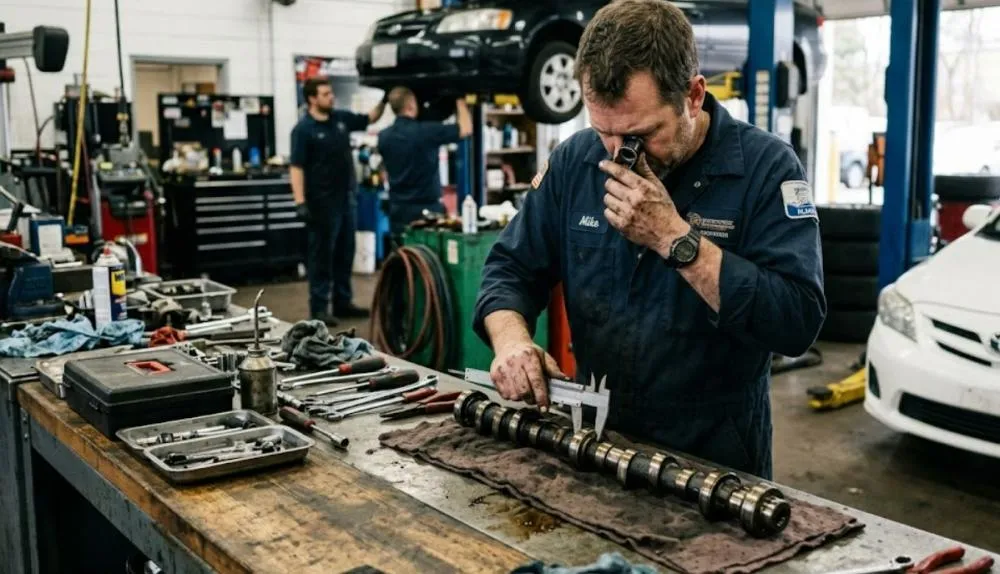
Mechanic inspecting a car part on a workbench

Brand specific expectations

Every luxury brand has a different personality, and that affects how buyers think about premium parts. A Ferrari buyer may care deeply about visible originality, correct finishes, and the emotional experience of the car after repair. Browse brand-specific options through the Ferrari parts page when the project calls for marque-focused sourcing. A Maserati repair may involve a different balance of elegance, performance, and daily usability, making the Maserati parts page a useful starting point. Lamborghini buyers may place special emphasis on dramatic exterior design, wheel fitment, carbon-fiber details, and model-specific body components, which makes the Lamborghini parts page relevant for targeted searches. Bentley buyers often focus on craftsmanship, luxury trim, comfort features, and refined exterior presentation, so the Bentley parts page can help narrow the search.

These brand differences do not change the fundamentals, but they do change priorities. For one vehicle, the decisive factor may be a perfect exterior match. For another, it may be a rare interior switch, a wheel design, a lighting unit, or a factory body panel that is difficult to locate. Premium parts should be evaluated through the lens of what makes that specific vehicle desirable.

When details become the difference

Small details can decide whether a luxury repair feels complete. A wheel with the wrong offset, a trim piece with the wrong weave, a mirror with incompatible options, or a headlight from a different market can create extra work. Even when the part is genuine, it still needs to be the right version. That is why buyers should avoid rushing the sourcing stage. Compare photos carefully, keep VIN and model details ready, and use search terms that match the actual component. For example, buyers looking for wheel-related options can start with a focused search such as premium parts and then refine by brand, model, or component type.

How to choose with confidence

The best sourcing decisions combine aspiration with discipline. Start with the repair objective: concours-style restoration, insurance repair, resale preparation, track-focused rebuild, dealer inventory support, or practical ownership maintenance. Then identify the non-negotiables. Does the part need to be OEM? Does it need to be visually perfect, or will it be refinished? Does it require programming or calibration? Is the part structural, cosmetic, electronic, or mechanical? These questions help separate premium parts that truly support the project from parts that simply appear attractive at first glance.

Buyers should also think about communication. When a part is rare, expensive, or compatibility-sensitive, it is better to ask before buying than to discover a mismatch later. Clear questions about fitment, condition, included hardware, shipping, and availability can prevent avoidable delays. For component-specific questions or help narrowing a search, the contact page is the appropriate next step.
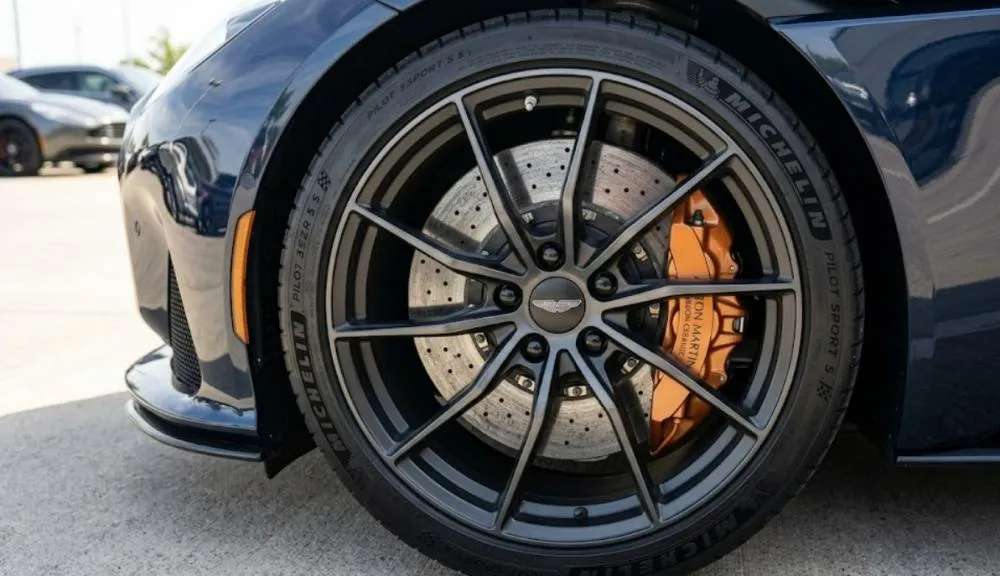
Close view of a luxury car wheel and brake

Final thoughts on sourcing premium parts

Premium parts play an important role in keeping luxury vehicles desirable, functional, and true to their original character. They help owners protect the feeling that made the car special in the first place, and they help professional buyers complete repairs with greater confidence. The strongest results usually come from careful matching, realistic condition review, and a clear understanding of what the finished vehicle needs to achieve. Whether the project involves a Ferrari, Maserati, Lamborghini, Bentley, or another high-end model, the right part is the one that fits the vehicle, the repair standard, and the buyer’s expectations.

In the luxury-car world, details are never just details. They are part of the experience. Choosing premium parts with care can make the difference between a repair that merely works and a repair that feels properly resolved.

Order any in stock part within -- hrs -- mins -- secs for shipping within this time

Premium Parts for Luxury Cars | Used OEM Guide

Luxury car parked in a clean modern garage
Premium Parts for Luxury Cars | Used OEM Guide

Why premium parts matter in luxury repairs

When a luxury vehicle needs a repair, replacement, or restoration, the part you choose affects far more than the invoice. Premium parts can influence fit, finish, driving feel, resale confidence, and the way a vehicle presents itself after the work is complete. For owners, the goal is often to keep the car feeling as refined as it did before the damage or wear appeared. For collision centers, independent specialists, exporters, rebuilders, and dealerships, the goal is also operational: source the right component, reduce delays, and deliver a repair that looks correct the first time. This is why the conversation around premium parts is not only about price. It is about matching the expectations attached to Ferrari, Maserati, Lamborghini, Bentley, and other prestige vehicles with parts that make sense for the job.

A premium approach starts with understanding the vehicle, the use case, and the level of originality required. Some buyers are restoring a weekend car and care deeply about trim details, surface finish, and factory-correct appearance. Others are running a service department and need reliable availability for panels, wheels, lighting, interior trim, suspension components, electronics, or drivetrain-related parts. In both cases, certified used luxury-car parts can be a practical option when evaluated carefully.

Luxury car parked in a clean modern garage

What premium parts mean in real ownership

Premium parts are not automatically defined by being new. In luxury-car repair, “premium” usually means the component is appropriate for the vehicle, has the right specification, and supports the result the buyer expects. A used OEM wheel from the correct model may be more desirable than an aftermarket alternative that does not match the original design. A factory bumper, grille, headlight, mirror, or interior switch can preserve visual consistency in a way that generic replacements may not. The same thinking applies to body panels, carbon-fiber trim, exhaust components, and electronics, where small differences can become obvious after installation. Premium parts are about suitability, not just shine.

That distinction matters because high-end vehicles are engineered as complete systems. A replacement part that looks close from a distance may still create issues with mounting points, sensor alignment, panel gaps, paint preparation, electrical compatibility, or long-term confidence. Buyers should therefore treat part sourcing as part of the repair strategy, not an afterthought. Before purchasing, confirm model year, trim, side, color where relevant, part number when available, and whether the component is cosmetic, structural, mechanical, or electronic. For broad browsing, category-based navigation can help buyers compare part families across vehicle types, starting with the main luxury-car parts categories.

How buyers should compare options

A smart comparison begins with condition. Photographs, notes, compatibility details, and visible wear all matter. A premium part does not have to be flawless, but its condition should match the repair goal. A small cosmetic imperfection may be acceptable for a part that will be refinished, while the same mark may matter on exposed carbon fiber or interior leather trim. Buyers should also think about lead time and availability. In many cases, the most expensive part is not the one with the highest purchase price; it is the one that causes the vehicle to sit unfinished for weeks because the wrong component was ordered first.

Another important factor is authenticity. For prestige marques, buyers often want original design language preserved. That is especially true for visible components such as wheels, lights, bumpers, hoods, interior panels, and exterior trim. When evaluating premium parts, ask whether the part supports a repair that looks natural on the car, works with existing systems, and fits the expectations of a future buyer, insurer, dealer, or enthusiast.

Where used luxury parts create value

Certified used components can be especially useful when new parts are expensive, delayed, discontinued, or unnecessary for the repair standard. A dismantled vehicle may provide valuable original components that still have a useful life, particularly when the donor vehicle had damage isolated to a different area. This is one reason many professional buyers pay attention to available donor inventory and part-out opportunities. You can review vehicles being dismantled through the dismantled vehicles page when looking for model-specific opportunities.

For B2C buyers, premium parts can make ownership more approachable without lowering the ambition of the repair. A driver repairing a front-end impact, replacing a wheel, refreshing an interior, or sourcing a rare exterior component may be able to keep the car closer to its original character while managing cost. For B2B buyers, the value is often multiplied across many jobs. A shop that can source the correct part quickly may improve cycle time, reduce supplements, and keep customers informed with more confidence. Exporters and resellers may also value the ability to identify parts that fit demand in specific markets, especially for high-interest models and popular repair categories.

Still, used does not mean casual. Premium parts should be purchased with a clear checklist. Confirm whether the component needs refinishing, programming, calibration, hardware, seals, brackets, or related parts. Ask whether the part is sold as shown or includes additional accessories. For complex electronics, modules, lighting, and driver-assistance-related components, verify compatibility before committing. This type of diligence protects both the buyer and the final repair outcome.

Mechanic inspecting a car part on a workbench

Brand specific expectations

Every luxury brand has a different personality, and that affects how buyers think about premium parts. A Ferrari buyer may care deeply about visible originality, correct finishes, and the emotional experience of the car after repair. Browse brand-specific options through the Ferrari parts page when the project calls for marque-focused sourcing. A Maserati repair may involve a different balance of elegance, performance, and daily usability, making the Maserati parts page a useful starting point. Lamborghini buyers may place special emphasis on dramatic exterior design, wheel fitment, carbon-fiber details, and model-specific body components, which makes the Lamborghini parts page relevant for targeted searches. Bentley buyers often focus on craftsmanship, luxury trim, comfort features, and refined exterior presentation, so the Bentley parts page can help narrow the search.

These brand differences do not change the fundamentals, but they do change priorities. For one vehicle, the decisive factor may be a perfect exterior match. For another, it may be a rare interior switch, a wheel design, a lighting unit, or a factory body panel that is difficult to locate. Premium parts should be evaluated through the lens of what makes that specific vehicle desirable.

When details become the difference

Small details can decide whether a luxury repair feels complete. A wheel with the wrong offset, a trim piece with the wrong weave, a mirror with incompatible options, or a headlight from a different market can create extra work. Even when the part is genuine, it still needs to be the right version. That is why buyers should avoid rushing the sourcing stage. Compare photos carefully, keep VIN and model details ready, and use search terms that match the actual component. For example, buyers looking for wheel-related options can start with a focused search such as premium parts and then refine by brand, model, or component type.

How to choose with confidence

The best sourcing decisions combine aspiration with discipline. Start with the repair objective: concours-style restoration, insurance repair, resale preparation, track-focused rebuild, dealer inventory support, or practical ownership maintenance. Then identify the non-negotiables. Does the part need to be OEM? Does it need to be visually perfect, or will it be refinished? Does it require programming or calibration? Is the part structural, cosmetic, electronic, or mechanical? These questions help separate premium parts that truly support the project from parts that simply appear attractive at first glance.

Buyers should also think about communication. When a part is rare, expensive, or compatibility-sensitive, it is better to ask before buying than to discover a mismatch later. Clear questions about fitment, condition, included hardware, shipping, and availability can prevent avoidable delays. For component-specific questions or help narrowing a search, the contact page is the appropriate next step.

Close view of a luxury car wheel and brake

Final thoughts on sourcing premium parts

Premium parts play an important role in keeping luxury vehicles desirable, functional, and true to their original character. They help owners protect the feeling that made the car special in the first place, and they help professional buyers complete repairs with greater confidence. The strongest results usually come from careful matching, realistic condition review, and a clear understanding of what the finished vehicle needs to achieve. Whether the project involves a Ferrari, Maserati, Lamborghini, Bentley, or another high-end model, the right part is the one that fits the vehicle, the repair standard, and the buyer’s expectations.

In the luxury-car world, details are never just details. They are part of the experience. Choosing premium parts with care can make the difference between a repair that merely works and a repair that feels properly resolved.

Previous Exotic Car Parts for Luxury Vehicle Repairs
Next Are There Any Large Lamborghini Parts Distributors in the USA?
Comment(s)